
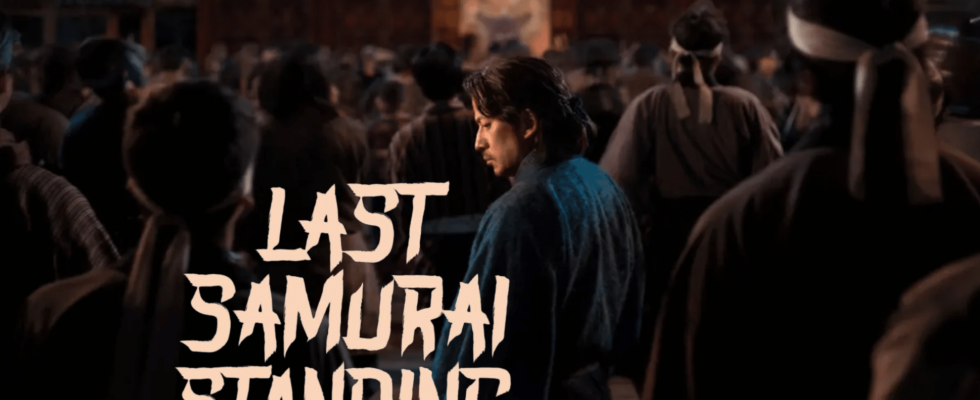
The Final Samurai: A Convergence of Honor and Survival
Netflix’s upcoming series, “The Final Samurai,” is set to make waves in 2025, poised to transform Japanese historical dramas with its striking narrative that melds the grandiosity of “Shōgun” with the psychological intensity reminiscent of “Squid Game.” Directed by Michihito Fujii and adapted from Shogo Imamura’s celebrated manga “Ikusagami,” this series immerses audiences in the waning days of the samurai, where the weight of ancestral honor collides painfully with the harsh realities of survival.
Advertisements
Narrative Framework and Historical Significance
Set against the backdrop of the Meiji period in 1878, this series captures a pivotal moment in Japan’s history when samurai faced the decline of their esteemed status amid rapid modernization. This historical pivot serves as a rich canvas for storytelling, exploring not only the physical battles but the existential crises of warriors witnessing their way of life erode.
The narrative premise is both straightforward and impactful: 292 adept warriors converge at Tenryuji Temple, lured by the prospect of an astounding prize of 100 billion yen. In the ensuing deadly contest, only one samurai can emerge victorious, securing not just wealth but the survival of their family.
Protagonist’s Journey and Emotional Stakes
At the core of this fierce competition is Shujiro Saga, compellingly portrayed by Junichi Okada. Driven by desperation, Shujiro enters the fray with a singular mission: to save his ailing spouse and child. This personal stake elevates the narrative beyond mere action, transforming each encounter into a harrowing fight for survival steeped in emotional weight.
Okada, who contributes as a producer and choreographer, infuses the character with a raw authenticity that captures both his martial prowess and the vulnerability of a man facing insurmountable odds. His portrayal will likely serve as the emotional cornerstone of the series, marrying the visual spectacle with a relatable human experience.
Directorial Vision and Cinematic Aesthetics
Michihito Fujii, acclaimed for titles like “The Journalist” and “18×2 Beyond Youthful Days,” employs a refined cinematic lens that encapsulates both the epic scale of battle sequences and the nuanced moments of character development. His direction promises to balance grandeur with intimacy, ensuring that viewers remain emotionally invested.
The selection of Tenryuji Temple as the primary setting is laden with symbolism, representing Japan’s spiritual heritage while also serving as the confined arena where destinies will be sealed. The meticulous art direction aims to faithfully recreate the Meiji period, granting viewers an immersive visual experience.
Ambitious Production and Scale
With nearly 300 actors involved, each requiring bespoke costumes and choreographed fight sequences, “The Final Samurai” stands as a landmark in Japanese television production. The ambitious scale, likened by Fujii to the simultaneous creation of three films, promises unprecedented action sequences for the genre.
Junichi Okada’s role as action choreographer ensures that the fight scenes will reflect both martial integrity and narrative necessity. This commitment to authenticity suggests that the series will prioritize realism alongside visual flair.
Timeless Themes and Modern Resonance
Despite its 19th-century setting, “The Final Samurai” delves into themes that resonate universally: the fight for survival amidst change, the clash of tradition with modernity, and the sacrifices individuals make for their loved ones. The series acts as a poignant metaphor for societies in flux, where established norms are challenged by emerging realities.
The concept of samurai honor is reexamined through the lens of survival, raising moral questions about the preservation of noble ideals under dire circumstances. This tension is likely to provoke deep ethical reflections throughout the series.
Prospects for Global Reception
The creators’ comparison of the series to “Shōgun meets Squid Game” highlights their ambition to fuse the visual and cultural allure of period dramas with the gripping psychological elements of survival thrillers. Such a blend is likely to engage both aficionados of historical narratives and suspense enthusiasts.
Netflix’s investment in this distinctly Japanese story underscores its belief in the series’ international appeal, suggesting that “The Final Samurai” could mirror the global success of other Asian productions on the platform.
Anticipations and Concluding Thoughts
Positioned as a potential landmark in contemporary Japanese entertainment, “The Final Samurai” aims to elevate the standards for historical dramas while delivering an emotionally charged narrative. The convergence of seasoned talent, high-caliber production, and a distinctive narrative premise fosters considerable anticipation.
This series holds the potential to redefine genre boundaries, proving that period dramas can honor historical authenticity while innovating within their narrative frameworks. If executed with the promised excellence, it may set a new benchmark for future productions.
By combining visual splendor, emotional depth, and thematic significance, “The Final Samurai” aspires to be more than mere entertainment; it aims to create a cinematic experience that respects the samurai legacy while catering to contemporary audiences’ needs. This series not only signifies the end of an era but may also herald a new direction for Japanese historical dramas.