
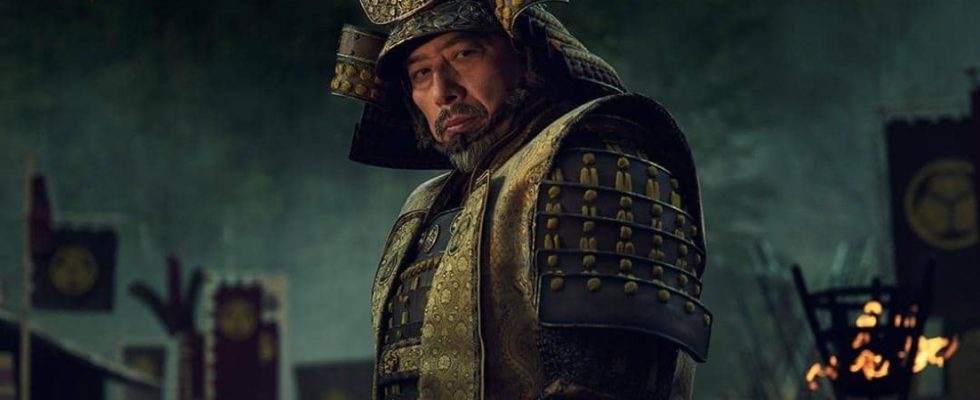
Exploring the Cultural Depth of Shōgun on FX/Hulu
Welcome to an insightful review of the epic drama Shōgun, a groundbreaking series that redefines the portrayal of feudal Japan on television. With a visually stunning aesthetic and a strong commitment to cultural authenticity, this adaptation pays homage to both its literary roots and the complexities of Japanese society, showcasing unprecedented levels of respect and artistry.
Advertisements
Released on FX and Hulu on February 27, 2024, Shōgun spans 10 episodes, each around 60 minutes long. Drawing from James Clavell’s highly regarded novel, this adaptation stands apart by focusing on Japanese narratives and utilizing predominantly Japanese dialogue with subtitles. Helmed by creators Rachel Kondo and Justin Marks, the series features a stellar cast, including Hiroyuki Sanada, Anna Sawai, and Cosmo Jarvis, and unfolds in 1600 Japan amidst the Tokugawa era’s inception.
More than just another historical drama, Shōgun serves as a cultural masterclass that presents its Japanese characters as multifaceted individuals rather than simplistic stereotypes. It weaves a tapestry of political intrigue, personal honor, and cultural conflict, acting as a conduit for Western viewers to engage with the richness and sophistication of Japan’s feudal heritage.
The Struggle for Survival and Honor in Feudal Japan
Shōgun chronicles the journey of Lord Yoshii Toranaga as he navigates the threats posed by the Council of Regents who conspire to eliminate him. The arrival of English sailor John Blackthorne on a Dutch vessel injects crucial knowledge of naval warfare and European political dynamics into Toranaga’s fight for supremacy. The narrative intricately explores themes of loyalty, sacrifice, and the interplay of contrasting value systems during one of history’s most transformative epochs in Japan.
Political machinations are portrayed on multiple scales, from grand strategies for national unification to the deeply personal relationships that determine life and death. The narrative adeptly illustrates how each character’s decisions resonate through the intricate web of feudal responsibilities, generating tensions that feel both historically grounded and strikingly relevant today. Each character grapples with profound choices between personal aspiration and societal duty, thereby infusing the story with a moral complexity that transcends mere adventure tropes.
A Stellar Performance by Hiroyuki Sanada as Lord Yoshii Toranaga
In a career-defining role, Hiroyuki Sanada brings Lord Yoshii Toranaga to life with remarkable depth, leveraging his extensive experience to depict a leader characterized by both keen intellect and lethal strategy, essential for survival in the perilous political environment of feudal Japan. His portrayal not only earned him his first Emmy nomination but also garnered widespread acclaim for capturing the duality of a man who bears the burden of his nation’s future.
Sanada’s Toranaga evolves with each episode, embodying a figure who must juggle empathy with ruthlessness, and tradition with progress. His performance underscores that wielding power demands continuous adaptability, as Toranaga presents varying facets of himself depending on his audience. This role is a testament to Sanada’s long-held talent, finally granting him the opportunity to showcase a character of profound cultural significance.
Anna Sawai’s Poignant Portrayal of Toda Mariko
Anna Sawai delivers a breathtaking performance as Toda Mariko, a noblewoman torn between her obligations to her lord and her growing affection for Blackthorne. Her portrayal not only earned her an Emmy Award for Outstanding Lead Actress but also marked a significant milestone, making her the first Japanese actress to achieve this honor. Sawai artfully navigates the character’s internal strife as she strives to maintain her honor while protecting her loved ones.
Mariko’s journey encapsulates the series’ exploration of feminine power dynamics within the boundaries of a patriarchal society. Sawai presents a character who deftly employs intelligence, linguistic finesse, and emotional savvy to shape the course of events, all while adhering to societal expectations. Her relationship with Blackthorne serves as the emotional core of the series, highlighting the beauty and tragedy of their cultural differences.
The Tension of the Climactic Gambit
As the series approaches its climax, Toranaga’s strategic acumen comes to light, revealing how his meticulously crafted plans unfold. Without divulging specifics, the finale powerfully illustrates how personal sacrifices can reshape nations, as characters confront their ultimate tests of loyalty and bravery. The conclusion pays tribute to both the historical realities and the individual journeys of all key players.
The success of the finale lies in its understanding that satisfying conclusions should arise organically from character development rather than plot convenience. Every loss feels justified, every triumph extracts a cost, and each resolution prompts fresh inquiries regarding the complexities of power and the essence of honor. The finale not only wraps up the current narrative arc but also paves the way for future developments.
A Rich Tapestry of Honor and Ambition
Shōgun boasts a talented supporting ensemble, including Tadanobu Asano as Kashigi Yabushige, Takehiro Hira as Ishido Kazunari, and Moeka Hoshi as Usami Fuji. Each character contributes unique motivations and cultural insights, enriching the portrayal of feudal Japanese society. The series successfully sidesteps Western misconceptions about samurai culture, presenting a nuanced view of a society amidst evolution.
The supporting cast shines in depicting varied responses to the rigid structures of their society. Some characters find freedom within tradition, while others resist constraints, and many come to realize that honor and survival sometimes necessitate excruciating choices. Every portrayal resonates with authenticity, ensuring emotional relatability for contemporary viewers.
Unprecedented Success on FX/Hulu
The impact of Shōgun is undeniable, earning 25 Emmy nominations and triumphing in 18 categories, including the prestigious Outstanding Drama Series. It made history as the first non-English language series to win the top drama accolade, setting multiple Emmy records along the way. This success underscores the audience’s appetite for authentic international narratives, proving that subtitled works can reach mainstream acclaim when paired with exceptional quality.
A Must-Watch Historical Masterpiece
If you are a fan of expansive historical dramas that intertwine political intrigue with genuine cultural representation, Shōgun is a must-see on FX and Hulu. This series transcends mere entertainment; it acts as a cultural bridge, demonstrating how compelling storytelling can overcome language barriers and foster genuine understanding between disparate worlds.
Redefining the Historical Drama Landscape
Shōgun excels because it approaches its themes with profound respect and cultural accuracy while maintaining emotional resonance and dramatic engagement. By prioritizing Japanese narratives and perspectives, the series achieves a blend of historical truth and contemporary relevance. It is visually stunning, intellectually enriching, and essential viewing for those who seek to broaden their understanding of diverse cultures and historical epochs.
Details of the Series
Number of Episodes: 10 episodes (Season 1, renewed for Seasons 2 and 3)
Platform: FX/Hulu
Release Year: 2024
Current IMDb Rating: 8.7/10
Genre: Historical Drama/Political Thriller
Status: Currently airing, renewed through Season 3
Protagonists: Hiroyuki Sanada (Lord Yoshii Toranaga), Anna Sawai (Toda Mariko)
Antagonist: The Council of Regents and the intricate feudal political landscape