
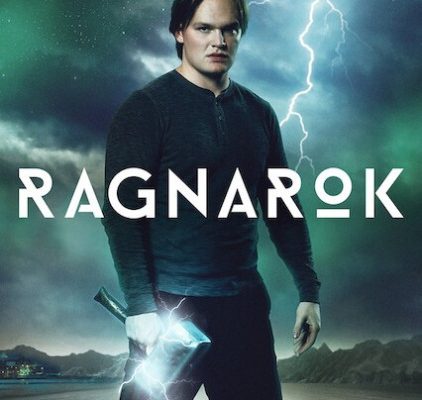
Have you ever wondered how ancient myths could resonate in today’s world? The series Ragnarok does just that, transforming the rich tapestry of Norse mythology into a gripping environmental saga. It follows teenage Thor as he confronts contemporary giants that threaten the very fabric of our planet.
Advertisements
Debuting on Netflix on January 31, 2020, Ragnarok spanned three seasons, concluding on August 24, 2023, with a total of 18 episodes, each approximately 45 minutes long. Brought to life by creators Emilie Lebech Kaae and Adam Price, this Norwegian fantasy drama marked Netflix’s third foray into original Norwegian-language programming. Set against the backdrop of the fictional town of Edda in Hordaland, it reinterprets ancient myths to address pressing issues like climate change and environmental degradation, blending timeless legends with urgent contemporary challenges.
At the heart of the narrative is Magne Seier, a socially awkward teen who learns he is the reincarnation of Thor, the thunder god. As he returns to his pollution-ravaged hometown, he becomes embroiled in a battle against industrial giants, reflecting the real-world struggle against corporate greed and environmental neglect. Ragnarok does more than retell age-old tales; it uses these narratives as a lens to probe modern-day crises, showcasing the imperative for youth to advocate for a sustainable future. With its unique Scandinavian flair and compelling mythological elements, the show offers a refreshing take on the superhero genre while tackling urgent global issues.
Corporate Giants and Environmental Destruction
The Jutul family serves as the show’s antagonists, masquerading as affluent industrialists while being ancient giants (jötnar) in disguise. This clever twist portrays them as embodiments of corporate greed, systematically polluting Edda’s environment while manipulating local politics to sustain their dominance. Ragnarok brilliantly intertwines Norse mythology with contemporary social dilemmas, illustrating how the eternal battle between gods and giants mirrors today’s fight against environmental destruction and corporate malfeasance.
What sets the series apart is its ability to ground mythological themes in relatable issues, allowing viewers to connect with both the characters’ journeys and the broader environmental crisis they address.
Magne Seier: A Reluctant Hero’s Journey
David Stakston’s portrayal of Magne Seier is nothing short of captivating. He evolves from an awkward teenager into a powerful figure, embodying Thor’s legacy. Stakston adeptly captures Magne’s vulnerabilities, navigating the complexities of his identity while discovering his formidable powers.
Magne’s evolution is pivotal to the series’ exploration of personal responsibility and coming-of-age themes. As he taps into his superhuman abilities—such as wielding Thor’s hammer and commanding lightning—he grapples with the weight of his choices in a world where actions have tangible consequences. Stakston’s performance infuses the mythological aspects with emotional depth, making Magne’s ascent from an outsider to a champion for the environment both grand and intimately relatable.
Complex Family Dynamics: Laurits’ Role
Jonas Strand Gravli’s nuanced performance as Laurits, Magne’s half-brother, introduces a layer of complexity to the narrative. Laurits embodies the trickster archetype, reflecting the unpredictable nature of familial relationships intertwined with divine heritage.
The dynamic between the brothers drives the emotional heartbeat of the series, as their bond is tested through supernatural revelations and clashing allegiances. Gravli skillfully navigates the fine line between ally and foe, making Laurits a character that elicits both sympathy and frustration as he grapples with increasingly intricate decisions.
The diverse cast, including various members of the Jutul family and other mythological figures subtly woven into the modern setting of Edda, enriches the story’s exploration of ancient conflicts manifesting in today’s world.
The Climactic Struggle for Our Planet
As the series builds towards its thrilling conclusion, Ragnarok seamlessly merges its environmental and mythological narratives in a climactic battle for the Earth’s future. The final season heightens the stakes, intensifying both the personal journeys of Magne and his allies and the far-reaching implications of their confrontation with ancient powers.
The series finale ties up the central mythological conflicts while addressing the real-world environmental challenges that inspired its creation. It underscores the idea that individual actions can ripple out to create global change, whether one is a reincarnated deity or simply someone who stands up for justice.
Ultimately, Ragnarok proves adept at utilizing fantastical elements to highlight pressing concerns about climate change, corporate accountability, and the impact of youth activism.
A Streaming Success Story
Ragnarok stands out as a significant triumph for Netflix’s international programming strategy, demonstrating that Norwegian-language fantasy dramas can captivate global audiences when they tackle universal themes. Its success arises from an innovative take on the superhero genre, where fantastical storytelling is firmly rooted in pressing environmental themes that resonate with viewers today. Each episode showcases the breathtaking Norwegian landscape alongside rich character arcs, creating a narrative that feels both distinctly Scandinavian and universally relevant. The show’s popularity solidified Netflix’s commitment to offering diverse international content while proving that environmental storytelling can drive engaging fantasy narratives grounded in strong mythological roots.
A Must-Watch for Fantasy and Environmental Enthusiasts
If you have a penchant for fantasy series that echo real-world issues and intertwine environmental themes with Norse lore, Ragnarok is the ideal binge-worthy series on Netflix. This captivating Norwegian drama presents memorable characters, stunning cinematography, and a narrative that renders ancient myths achingly relevant.
Why This Series Deserves Recognition
Highlights:
- Stakston and Gravli deliver standout performances as layered brothers.
- A unique fusion of Norse myths with current environmental and social issues.
- Breathtaking Norwegian cinematography that juxtaposes beauty with environmental crisis.
- A thoughtful examination of corporate ethics and youth activism through a fantasy lens.
- Strong character arcs that render mythological concepts emotionally resonant.
Challenges:
- Some viewers found the resolution of the final season polarizing.
- Pacing can feel inconsistent as it juggles teenage drama and epic mythological themes.
- Environmental messages may come across as overly explicit at times.
- Occasional budget limitations are evident in special effects sequences.
- Understanding of Norse mythology enriches the viewing experience.
Ragnarok exemplifies how the best fantasy television can leverage ancient stories to highlight contemporary issues, crafting entertainment that is both escapist and critically relevant to our current societal landscape.
Series Overview
- Episode Count: 18 episodes across 3 seasons (6 + 6 + 6)
- Available On: Netflix
- Years Active: 2020-2023
- IMDb Rating: 7.3/10
- Genres: Fantasy Drama, Environmental Thriller, Coming-of-Age
- Production Origin: Norwegian series
- Status: Completed (3 seasons finished)
- Main Cast: David Stakston (Magne Seier/Thor), Jonas Strand Gravli (Laurits)
- Antagonists: The Jutul family (played by various actors)