
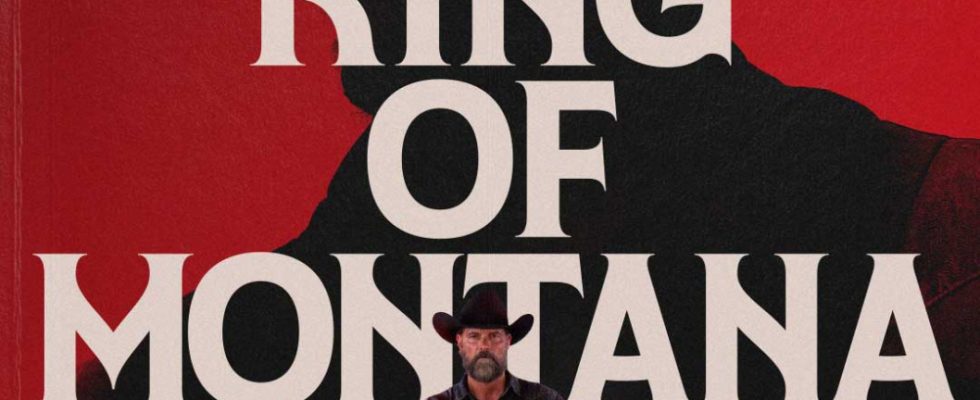
Drama enthusiasts, gather around! Today, we delve into the captivating series, Yellowstone: King of Montana, a compelling ReelShort narrative that seamlessly intertwines crime with intricate family dynamics set against the vast American West. This enthralling story revolves around a prominent ranch owner who assumes the guise of a school janitor, injecting new life into the hidden identity trope. The majestic backdrop of Montana serves as both a stunning visual feast and a catalyst for intense personal drama and themes of revenge, with a particular emphasis on father-son relationships and the complex interplay of power and redemption.
Advertisements
The production quality of Yellowstone: King of Montana is a testament to ReelShort’s dedication to exemplary storytelling, featuring cinematography that beautifully captures the expansive landscapes of Montana alongside intimate character interactions. The series adopts a concise episodic format that sustains suspense while allowing for the cultivation of nuanced character arcs. Every episode is meticulously designed to elicit emotional responses, striking a balance between exhilarating action and quieter, character-focused moments.
At its thematic core, the series delves into concepts of identity, vengeance, and the costs associated with power. It intricately weaves narratives concerning legacy, sacrifice, and the multifaceted relationships between fathers and their sons. One of the standout features of this drama is its insightful examination of how past decisions reverberate across generations, particularly in the realms of family businesses and criminal enterprises. The writing exemplifies a commendable depth in revealing how the protagonist’s dual identity impacts both his familial connections and his pursuit of justice.
Revenge and Redemption: The Return of a Monarch
In the initial episodes, we are introduced to Henry Conrad’s meticulously crafted existence as an unassuming school janitor, starkly contrasting his true identity as the legendary patriarch of Yellowstone Ranch. This self-imposed exile hints at deeper emotional scars and unresolved tensions, with his son’s role adding further layers of complexity to his decisions. The inciting incident occurs when his son is subjected to severe bullying, prompting Henry to face the repercussions of his concealed identity.
As the narrative progresses, Henry grapples with the challenge of sustaining his cover while safeguarding his son and planning his resurgence to authority. The series skillfully heightens tension through intertwining storylines, as Henry’s carefully laid plans collide with imminent threats to his family and legacy. Each installment introduces fresh dilemmas and revelations, creating an increasingly addictive viewing experience as audiences uncover the full extent of Henry’s past and the true nature of his adversaries.
Henry Conrad: The Veiled Monarch
Henry Conrad emerges as a richly layered protagonist, his apparent modesty concealing a strategic intellect and formidable authority. His tenure as a janitor has afforded him profound insights into the community he once dominated, lending depth beyond the conventional crime lord stereotype. The performance strikingly balances the character’s latent power with genuine paternal affection, crafting poignant moments of vulnerability amidst calculated displays of strength.
What elevates Henry’s character is the reflection of his dual identity on broader themes of authority and accountability. His bond with his son signifies both his most significant vulnerability and his strongest drive, compelling him to ponder whether safeguarding his child necessitates embracing or renouncing his former status as Montana’s sovereign. This internal conflict between vengeance and redemption infuses the series with substantial emotional resonance.
Marcus Conrad: The Cost of Legacy
Representing innocence caught in a web of past secrets, Marcus Conrad, Henry’s son, remains oblivious to his true lineage yet bears its burdens. His evolution from a bullied youth to a burgeoning force parallels his father’s arc, depicted with remarkable sensitivity that highlights how trauma and realization shape both his self-perception and his understanding of his father.
The father-son dynamic at the heart of the series delivers some of its most poignant moments, as themes of trust, protection, and truth collide. As Marcus gradually unravels the reality of his father’s existence, tensions arise between love and fear, admiration and doubt. This relationship anchors the broader narrative in deeply personal stakes.
The Power of Concealment
The series adeptly unfolds its truths, utilizing Henry’s concealed identity to probe larger themes surrounding power and justice. Each revelation is strategically timed to maximize its repercussions, impacting both personal relationships and broader power dynamics. The writing reflects a sophisticated grasp of how secrets can serve both as shields and sources of destruction.
Enhancing these narrative elements is the show’s visual storytelling, which utilizes Montana’s dramatic scenery as both a backdrop and a metaphor for the characters’ internal turmoil. The juxtaposition of Henry’s humble current life and his powerful past is conveyed through costume selections and lighting choices, creating a rich visual lexicon that complements the narrative’s core themes.
Triumph on ReelShort
Yellowstone: King of Montana has achieved notable success on ReelShort by presenting a fresh perspective on crime drama that resonates with audiences seeking intricate character explorations and profound emotional depth. The platform’s format facilitates brisk pacing while preserving the rich character development vital to the narrative. The series appeals to viewers who value both action-oriented plots and thoughtful examinations of familial relationships.
By successfully blending genres while maintaining emotional authenticity, the series has emerged as a highlight within ReelShort’s offerings. Its popularity underscores the growing demand for narratives that merge traditional crime drama components with deeper psychological and familial themes.
A New Era in Dramatic Storytelling
Yellowstone: King of Montana signifies a notable advancement in crime family narratives, demonstrating that established tropes can feel revitalized when approached with emotional intelligence and narrative sophistication. The series excels by rooting its revenge-driven plot in authentic human connections and complex ethical dilemmas. Through its masterful fusion of personal drama and vast conflicts, it crafts an engaging viewing experience that lingers long after the credits roll. This is not merely another crime drama; it is a profound examination of family, identity, and the essence of true power.