
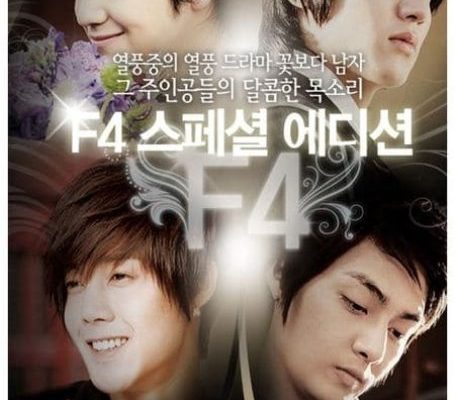
Greetings, readers! Today, I am excited to explore the iconic drama Boys Over Flowers, a series that not only revolutionized the landscape of Korean romance dramas but also propelled various careers into the spotlight, embodying the quintessential Cinderella narrative.
Advertisements
Originally broadcast on KBS2 from January to March 2009, this beloved series comprises 25 episodes, each approximately 70 minutes long. Adapted from the acclaimed Japanese manga Hana Yori Dango, Boys Over Flowers generated an extensive cultural footprint, influencing the romantic comedy genre and establishing tropes that continue to resonate in K-dramas today.
Interestingly, rather than adhering to the typical high school drama format, Boys Over Flowers immerses its audience in the opulent world of Shinhwa High School, where wealth and influence dictate social hierarchies. The show crafts a fairy tale romance while delving into weighty themes of class disparity, the loyalty of friendships, and the resilience required for individuals to remain authentic amid societal pressures.
An Underdog Amid Affluence: Geum Jan-di’s Journey
The narrative centers on Geum Jan-di, a working-class student who inadvertently enrolls at Shinhwa High after executing a heroic act—saving a fellow student. At this elite school, she meets the F4, a powerful, affluent clique that commands respect through fear and privilege. Throughout the series, Boys Over Flowers candidly addresses the harsh realities of class discrimination while weaving a romantic fantasy suggesting that love can potentially transcend social barriers.
Jan-di’s entry into this privileged environment challenges the status quo, compelling both her and her affluent peers to reevaluate their perceptions of value, integrity, and the essence of true relationships.
Geum Jan-di: A Symbol of Willpower
As a representation of the underdog, Jan-di embodies resilience against formidable challenges. Her indomitable spirit and strong sense of ethics render her a riveting lead, consistently standing her ground against wealth and entitlement. The evolution of her character in Boys Over Flowers is a testament to her transformation from a cautious outsider to a self-assured individual, whose genuine nature influences those around her.
Her strength is rooted not in adapting to the exclusive surroundings, but in upholding her principles and demonstrating that authentic character outweighs social affluence or material wealth.
Gu Jun-pyo: The Spoiled Heir’s Awakening
Jun-pyo serves as the archetype of the spoiled rich kid, whose encounter with Jan-di prompts him to reassess his entitled perspective and uncover what it means to genuinely care for another person. Through his character, Boys Over Flowers delves into themes of privilege, personal growth, and distinguishes between power and merits worthy of respect.
His romantic journey with Jan-di forms the centerpiece of the series, illustrating that true love necessitates vulnerability, sacrifice, and a readiness to evolve, thus establishing one of K-drama’s most memorable romantic couples.
When Romance Confronts Societal Norms
Tension escalates as Jun-pyo’s wealthy family intervenes to dismantle his relationship with Jan-di, employing various tactics like financial pressure and social disgrace. Boys Over Flowers skillfully raises the stakes, revealing the challenges of love across class divisions as a bold defiance against societal barriers.
These pivotal moments shift the tone from romantic comedy to a serious critique of systemic inequality, highlighting the courage needed to confront established power dynamics.
Yoon Ji-hoo: The Soft-Spoken Connector
Ji-hoo acts as a gentle counterpart to Jun-pyo’s boisterous demeanor, contributing to a love triangle that probes various facets of love and loyalty. Boys Over Flowers illustrates how quiet, consistent support can wield as much influence as grand romantic overtures.
His unreturned affections for Jan-di enrich the narrative, underscoring the notion that at times, true love means prioritizing another’s happiness, even when it excludes oneself.
Cultural Impact and Success on KBS2
Boys Over Flowers emerged as a cultural phenomenon during its run on KBS2, shattering viewership records and sparking an international hallyu wave that greatly increased the global affection for Korean dramas. The series catalyzed the careers of Lee Min-ho, Kim Hyun-joong, and other stars, while establishing romantic comedy formulas still prevalent today. Its remarkable success highlighted the universal appeal of Korean narratives, fostering an upsurge of international interest in K-dramas and propelling numerous actors into regional stardom.
A Timeless Romance That Captivates
For fans of quintessential romance centered around class disparity and unforgettable characters, Boys Over Flowers stands as a must-watch series available on various streaming platforms.
Reasons to Immerse Yourself in This Iconic Narrative
Pros:
- Memorable characters and romantic scenes that have shaped numerous subsequent dramas
- An ideal escapist fantasy that juxtaposes lavish settings with relatable emotional conflicts
- A strong female lead who remains steadfast in her principles despite societal pressure
- An iconic soundtrack and fashion that became cultural benchmarks
- The chemistry between the leads resulted in one of K-drama’s most beloved romances
Cons:
- Some narrative developments hinge on coincidences and melodramatic misunderstandings
- The depiction of wealth and privilege may feel unrealistic or problematic at times
- Certain episodes exhibit pacing issues attributed to the extended run
- Supporting character arcs occasionally become overshadowed by the main romance
- Aspects of dating violence and controlling behavior are represented as romantic in select scenes
Boys Over Flowers remains a monumental milestone in the history of Korean dramas, introducing a myriad of new viewers to the enchantment of K-dramas while exemplifying the compelling storytelling elements that define the genre.
Series Overview
- Number of Episodes: 25
- Platform: KBS2 (available on various streaming services globally)
- Release Year: 2009
- Current IMDb Rating: 7.8/10
- Genre: Romance, Comedy, Drama, Youth
- Production Type: K-drama
- Status: Completed series
- Protagonists: Ku Hye-sun (Geum Jan-di), Lee Min-ho (Gu Jun-pyo), Kim Hyun-joong (Yoon Ji-hoo)
- Antagonist: Jun-pyo’s mother and various elite figures