
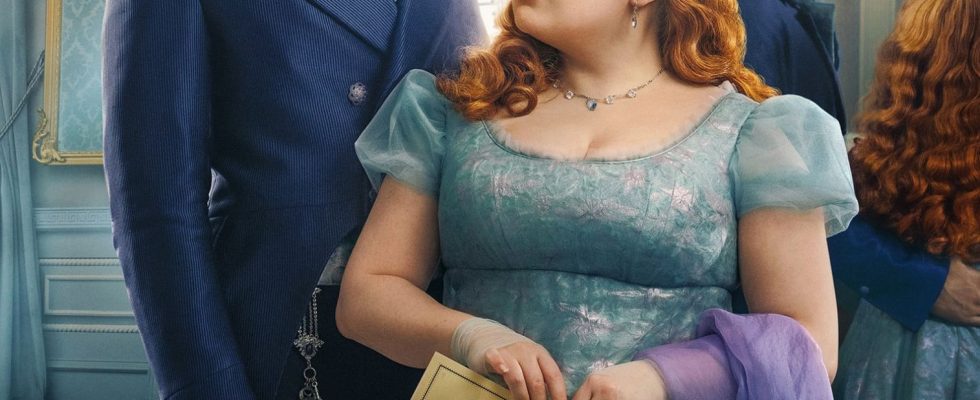
Hello, dear readers! Today, we dive into the captivating world of Bridgerton, a series that has redefined the landscape of period dramas. With its enticing combination of Regency romance, societal intrigue, and contemporary flair, this show has revitalized an entire genre, making it resonate with today’s audiences.
Advertisements
Debuting on Netflix on December 25, 2020, Bridgerton quickly became a cultural sensation, amassing a dedicated global audience. Currently, the show encompasses three seasons, each episode ranging from 50 to 60 minutes in length. Adapted from Julia Quinn’s celebrated novels, the series benefits from the visionary production of Shonda Rhimes and showcases a diverse ensemble cast, including talents like Nicola Coughlan, Jonathan Bailey, and Simone Ashley, who challenge the traditional norms of casting in period pieces.
This romantic drama goes beyond mere storytelling; it innovatively intertwines timeless narratives with pressing themes of love, ambition, and social equity. Set against the backdrop of London’s elite during the Regency era, it chronicles the romantic escapades of the eight Bridgerton siblings as they navigate the tumultuous waters of love, scandal, and the societal expectations that dictate their lives.
With its extravagant costumes, passionate romantic exchanges, and contemporary renditions of popular music, Bridgerton offers a delightful escapism grounded in rich historical context yet appealingly modern.
Navigating Love in the Bridgerton Clan
At the heart of this series are the romantic journeys of the Bridgerton siblings, with each season shedding light on their unique quests for love amidst London’s competitive marriage landscape. The inaugural season spotlights Daphne Bridgerton’s faux courtship with the Duke of Hastings, while the second season passionately explores Anthony Bridgerton and Kate Sharma’s unfolding romance. Season three shifts focus to Colin Bridgerton’s evolving relationship with Penelope Featherington.
These narratives artfully balance individual love arcs with the overarching themes of Regency society, delving into issues of class, race, and gender dynamics, all while maintaining the lighthearted essence that makes the series so appealing. The enigmatic Lady Whistledown’s scandalous newsletter acts as both a plot catalyst and a narrative thread, seamlessly connecting various subplots while keeping the audience guessing about her true identity.
The Bridgerton Legacy: A Tapestry of Relationships
Throughout the series, the distinct personalities of the eight Bridgerton siblings emerge, each facing their unique romantic hurdles. Anthony grapples with the conflict between familial duty and personal desire, while Eloise challenges the confines of societal expectations surrounding marriage. Their interactions beautifully illustrate the supportive nature of familial bonds as they strive to navigate life’s romantic ups and downs together.
Matriarch Violet Bridgerton embodies a guiding force, reflecting on past conventions of love and marriage, which creates intergenerational tension and enriches the family dynamics portrayed within the show.
Penelope Featherington: The Star of Season Three
In Season 3, Nicola Coughlan’s portrayal of Penelope Featherington blossoms, transforming from a timid observer to a fiercely determined woman prepared to pursue her heart’s desire. Her relationship with Colin Bridgerton serves as the emotional heart of the season, elegantly illustrating how deep-rooted friendships can blossom into fervent romance.
Coughlan’s nuanced performance infuses Penelope with an authentic blend of strength and vulnerability. The revelation that she is Lady Whistledown adds intriguing depth to her character, enhancing the complexity of her relationships and fueling much of the season’s dramatic tension.
From Friendship to Romance: The Polin Connection
The third season showcases the much-anticipated romance between Penelope and Colin Bridgerton, crafting one of the show’s most gratifying love stories. Their transition from friends to lovers is artfully depicted, spotlighting how a strong friendship can form the cornerstone of enduring love.
The chemistry exhibited between Coughlan and Luke Newton creates moments of tenderness and passion, encapsulating the essence of what makes the romances in Bridgerton so captivating. Their relationship challenges preconceived notions about love and compatibility, emphasizing that the most heartfelt romances often arise from the least expected connections.
Unprecedented Success on Netflix
Bridgerton has achieved astounding success, becoming Netflix’s most-viewed series to date, with millions drawn to its unique fusion of historical and contemporary storytelling. Its triumph lies in the series’ ability to make the world of Regency romance feel both relevant and exhilarating to modern viewers, skillfully employing diverse casting and modern music to create an enchanting yet relatable universe. Each new season release has become a cultural event, igniting conversations about fashion, relationships, and plot developments across social media. With a fourth season already on the horizon, fans can continue to immerse themselves in the romantic escapades of the Bridgerton family for years to come.
For enthusiasts of period dramas, sultry romances, and narratives that blend historical settings with modern storytelling, Bridgerton stands out as an unmissable binge-worthy series on Netflix.
Summary: Bridgerton demonstrates that period dramas can be both historically rooted and refreshingly contemporary, delivering an engaging viewing experience rich in beauty and intrigue.
Series Details:
- Number of Episodes: 24 episodes across 3 seasons (8 episodes per season)
- Platform: Netflix
- Rating: 7.4/10
- Genre: Period Drama, Romance, Historical Drama
- Main Characters: Nicola Coughlan (Penelope Featherington), Jonathan Bailey (Anthony Bridgerton), Simone Ashley (Kate Sharma)
- Antagonist: Various social pressures and family conflicts (no single main antagonist)