
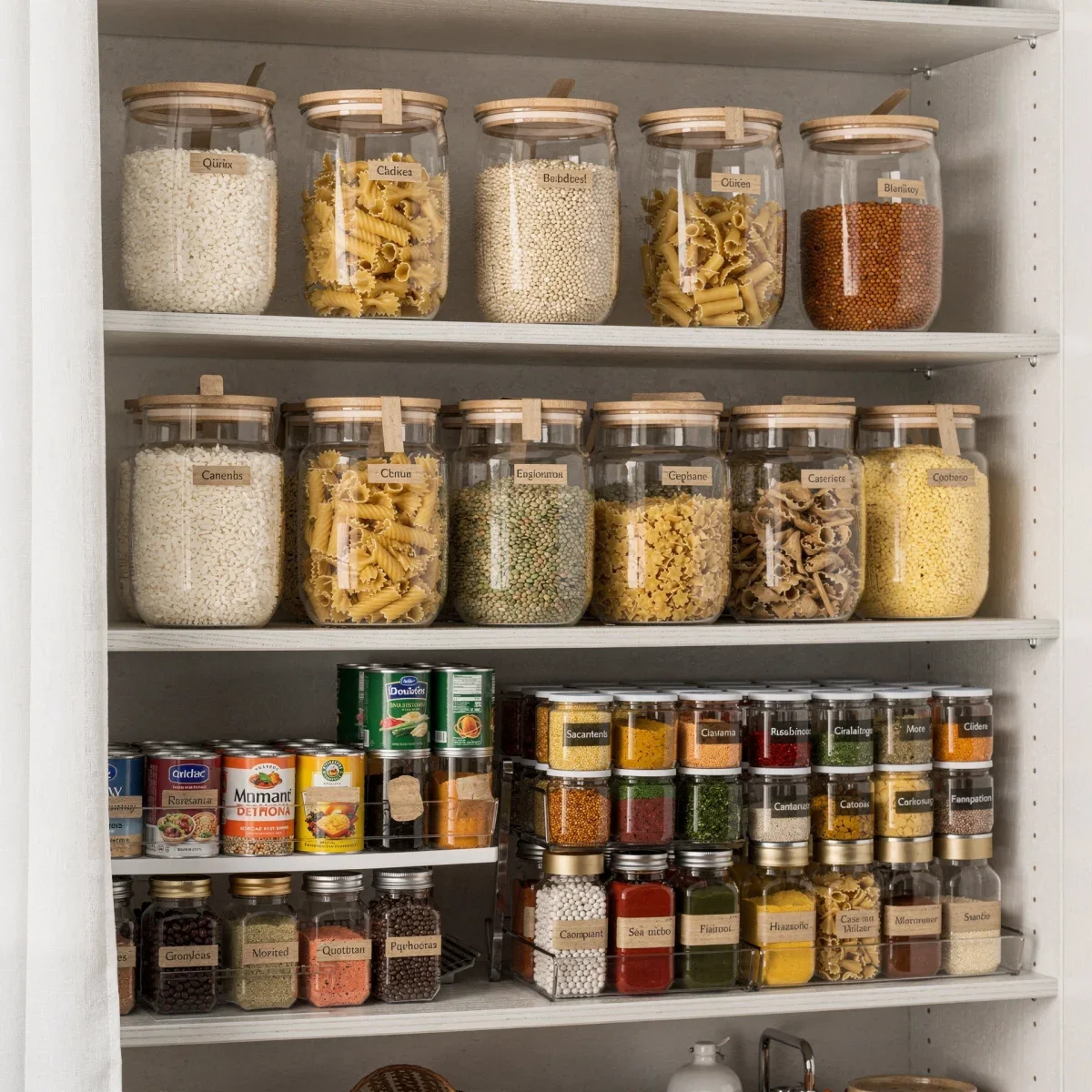
Staring at an empty cupboard after a long workday often leads straight to expensive takeout apps. When you decide to build a basic pantry, you set yourself up to cook dozens of fast, delicious meals on demand. Best of all, creating a dependable kitchen stash does not require dropping hundreds of dollars in a single afternoon.
Advertisements
Focus on High-Yield, Versatile Essentials
The secret to keeping costs down is buying workhorse ingredients that serve multiple recipes. Skip niche seasoning packets or specialty sauces that sit unused for months. Instead, prioritize long-lasting dry goods and canned staples that form the backbone of everyday cooking.
Here are the core categories to prioritize when building your foundation:
- Grains and Starches: White or brown rice, rolled oats, and dry pasta provide filling, shelf-stable bases for under $0.20 per serving.
- Proteins and Legumes: Canned black beans, chickpeas, and dry lentils offer instant protein and fiber without the high cost of fresh meat.
- Flavor Builders: Kosher salt, black pepper, garlic powder, ground cumin, and neutral cooking oil turn plain ingredients into savory dishes.
- Canned Goods: Diced tomatoes, tomato paste, and low-sodium chicken or vegetable broth create instant soups, curries, and sauces.
| Pantry Category | Top Budget Picks | Average Cost Range |
|---|---|---|
| Dry Grains | Jasmine rice, pasta, rolled oats | $1.00 – $2.50 per bag |
| Canned Legumes | Black beans, chickpeas, kidney beans | $0.80 – $1.25 per can |
| Base Sauces & Broths | Crushed tomatoes, vegetable stock | $1.20 – $2.00 each |
Shop the Right Stores and Pick Store Brands
Where you buy your groceries makes a noticeable difference in your final receipt. Retailers like Aldi, Trader Joe's, and Walmart typically offer the lowest baseline prices for kitchen staples. Brand-name canned goods and spices often cost double the price of generic private labels like Great Value or Simply Nature, despite containing virtually identical ingredients.
If you have access to a warehouse club like Costco or Sam's Club, buy only true bulk items you know you will consume within six months, such as olive oil, large sacks of rice, or oats. For specialty spices, check local ethnic markets or international grocery aisles, where whole spices often cost a fraction of mainstream supermarket prices.
Use the Incremental Stash Method
Trying to purchase everything in one massive haul creates unnecessary budget strain. Instead, set a weekly add-on limit of $5 to $10 on top of your normal fresh groceries. Dedicate that small amount to picking up two or three shelf-stable items each trip.
Week one might cover cooking oil and a large bag of rice; week two covers basic spices and canned beans. Within two months, you will have a fully functional collection of ingredients ready for quick weeknight cooking without a noticeable dent in your cash flow.
Quick Takeaways
- Prioritize versatile dry goods like rice, oats, beans, and canned tomatoes to get the lowest cost per serving.
- Buy generic store brands at discount grocers and check international markets for affordable bulk spices.
- Add $5 to $10 worth of staples to your weekly grocery trip rather than buying everything all at once.
Frequently Asked Questions
How much does it cost to start a pantry from scratch?
A practical foundation costs between $40 and $60 if you stick to store-brand staples like rice, beans, basic spices, and cooking oil at discount stores like Aldi or Walmart.
What pantry items should you never buy in bulk?
Avoid buying large quantities of ground spices, whole wheat flour, and specialty oils in bulk. Ground spices lose potency after six months, while whole grains and delicate oils can go rancid quickly.
How long do basic dry staples last?
White rice, dry beans, and pasta stay fresh for two to three years in airtight containers kept in a cool, dark space. Canned vegetables and broths remain safe for two to five years.
Start Your Kitchen Stash Today
Learning how to build a basic pantry is one of the most effective habits for lowering your monthly grocery spending and reducing food waste. Pick three core staples on your next shopping run to begin building your foundation, and check out our meal planning guide for simple recipe ideas you can whip up in minutes.