
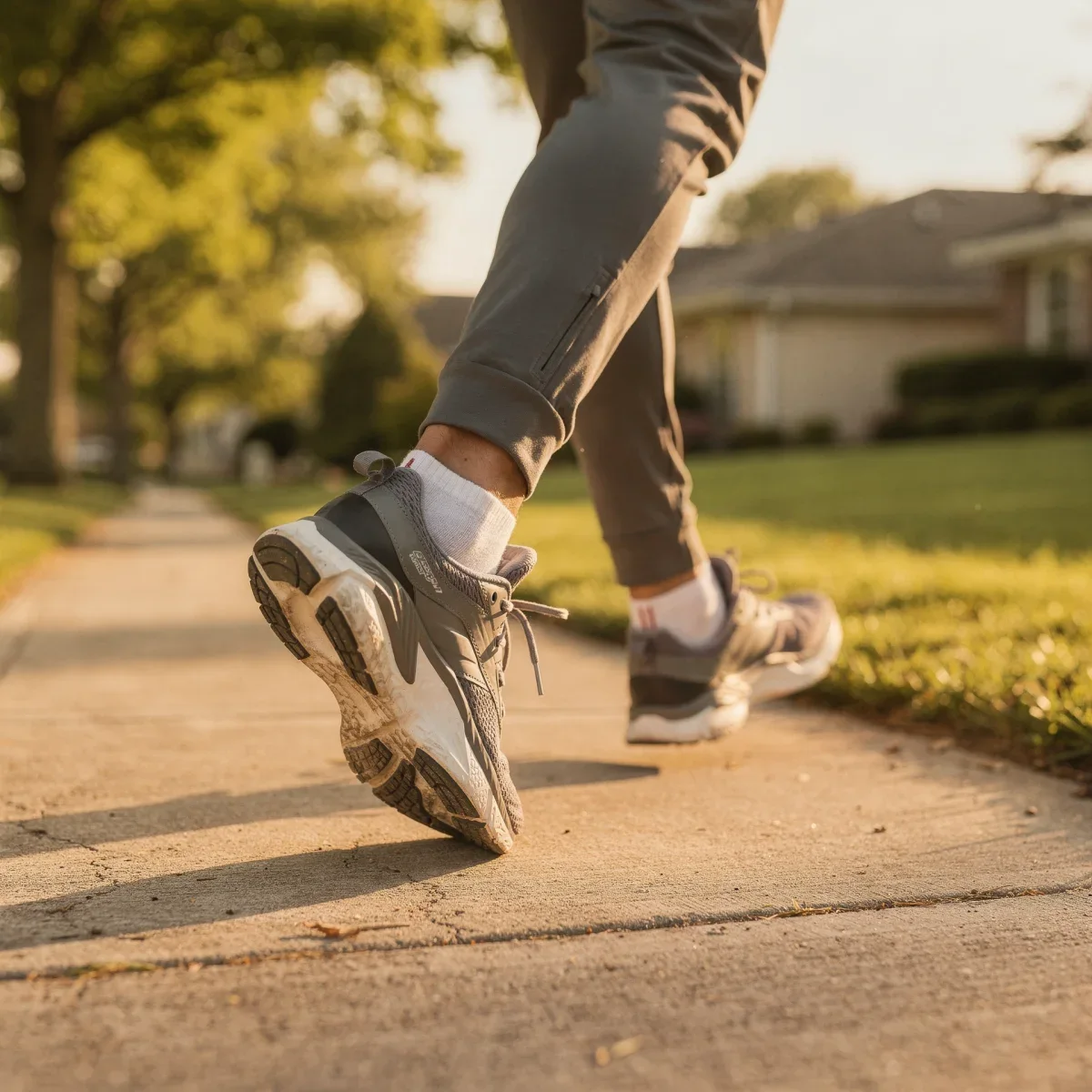
Starting a new fitness routine often feels overwhelming when you try to change your entire lifestyle overnight. If you want to improve your cardiovascular fitness, boost your mood, and support your overall well-being, learning how to build a walking habit is one of the most sustainable steps you can take. You do not need expensive gym memberships or complicated workout plans to see real benefits—just a pair of supportive shoes and a realistic plan.
Advertisements
Start Smaller Than You Think You Need To
The biggest mistake most people make when building an exercise routine is aiming for 10,000 steps right out of the gate. If you currently average 3,000 steps a day, jumping straight to 10,000 can lead to sore joints, mental fatigue, and frustration. Instead, focus on small, manageable increments.
Begin by adding just 10 to 15 minutes of continuous walking to your day. Current guidance from the American Heart Association and the CDC recommends at least 150 minutes of moderate-intensity aerobic activity per week, but you can break that down into 10- or 20-minute chunks throughout the day. A quick walk around your block during a morning break counts just as much as one long weekend trek.
Anchor Your Walks to Existing Daily Routines
Relying solely on willpower rarely works for long-term consistency. A proven method to make walking stick is habit stacking—pairing your walk with an established part of your daily routine so it becomes automatic.
- The post-coffee loop: Step outside for 10 minutes right after your morning coffee brew finishes.
- The lunch transition: Take a 15-minute stroll immediately after finishing lunch to break up your workday and aid digestion.
- The evening wind-down: Replace 20 minutes of television or social media scrolling after dinner with a casual neighborhood walk.
Remove Friction Before You Start
Every small obstacle between you and your walk makes it easier to skip. Setting up your environment ahead of time helps you stay consistent, especially on busy or low-energy days.
Keep your sneakers and comfortable socks near the front door. If you walk early in the morning, lay out your clothes the night before. You do not need specialized gear, but comfortable, supportive athletic shoes from brands like Brooks, Hoka, or New Balance make a noticeable difference in preventing foot and knee discomfort.
| Daily Scenario | Simple Solution |
|---|---|
| Busy work schedule | Take 10-minute walking phone meetings or pace during audio calls. |
| Poor weather | Walk indoors at a local mall, use a walking pad, or do indoor step circuits. |
| Low motivation | Save your favorite podcast or audiobook exclusively for your walking sessions. |
Quick Takeaways
- Start with 10 to 15 minutes a day rather than aiming immediately for high step counts.
- Pair your walks with daily habits you already do, such as morning coffee or lunch breaks.
- Remove friction by keeping your walking shoes and clothes ready to go.
Frequently Asked Questions
Do I have to reach 10,000 steps a day for health benefits?
No. Research suggests that notable health benefits begin well below 10,000 steps. Increasing your daily count by just 1,000 to 2,000 steps over your current baseline can provide meaningful cardiovascular and metabolic benefits.
Is walking fast necessary, or does casual walking count?
Both help, but brisk walking that slightly elevates your heart rate provides greater cardiovascular conditioning. Start at a comfortable conversational pace and gradually increase your speed as your endurance improves.
How long does it take to form a consistent walking routine?
Most people need roughly two to three months of regular practice for an activity to feel automatic. Focusing on consistency over speed or distance will help the habit stick.
When you focus on small wins and steady progress, you can successfully build a walking habit that lasts for years. Start with a short loop around your neighborhood today, track how you feel, and explore our other wellness guides for more tips on building everyday health routines.
This article is for informational purposes only and is not a substitute for professional medical advice. Talk to your doctor before making changes to your health routine.