
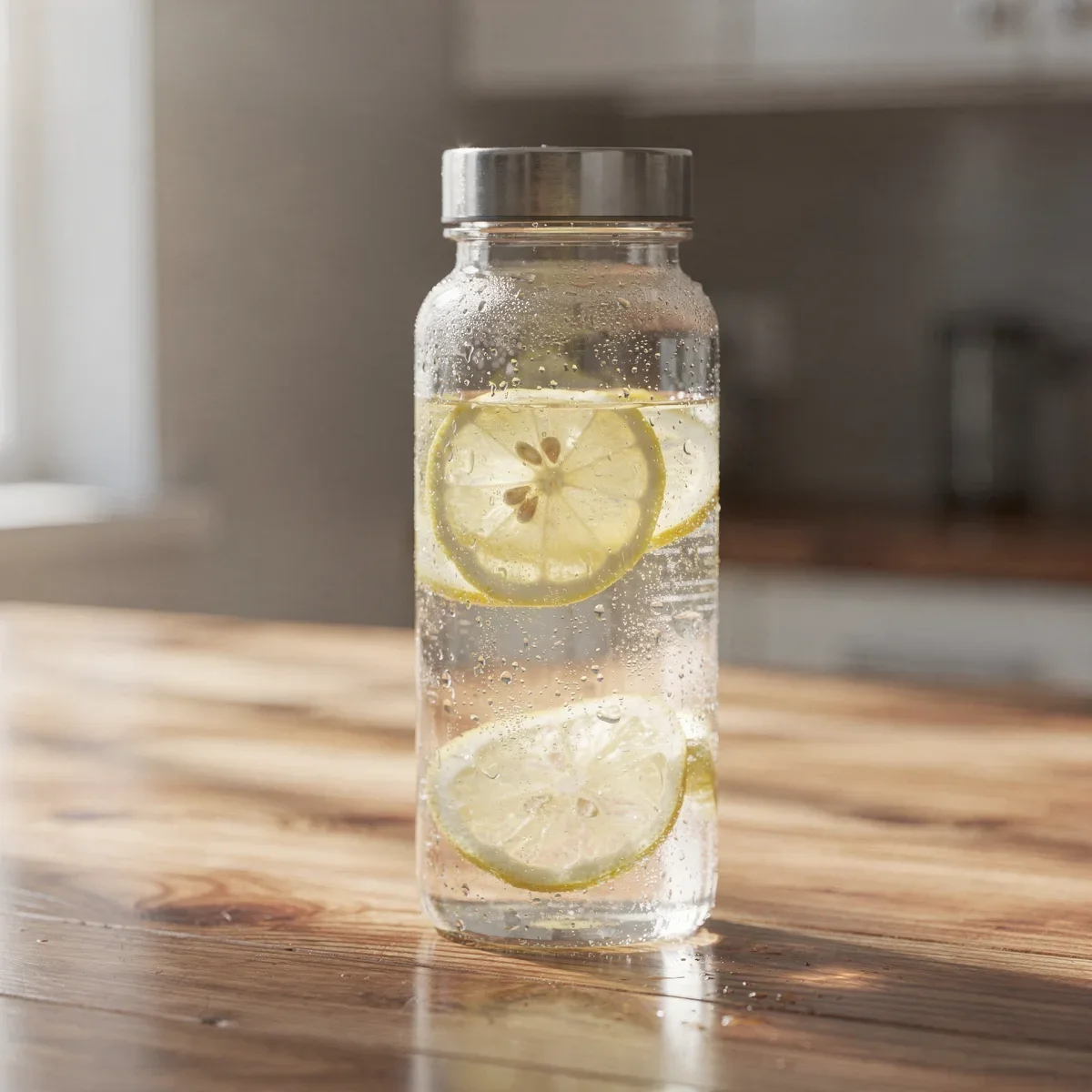
Most of us carry a water bottle everywhere, yet it is still easy to wonder whether your body gets what it needs. Knowing if you are drinking enough water each day comes down to recognizing a few simple physical signals. Here is a practical guide to checking your hydration status and keeping your body running smoothly.
Advertisements
The Urine Color Check: Your Easiest Daily Gauge
The most straightforward way to evaluate your hydration level is by checking the color of your urine. When your kidneys process adequate fluids, your urine appears pale yellow, similar to lemonade or light straw. This indicates balanced fluid levels throughout your system.
If your urine looks dark amber or apple juice-colored, your body is conserving fluids, signaling that you need to rehydrate. On the other hand, completely clear urine all day long may mean you are drinking more than necessary, which can flush out essential electrolytes.
| Urine Color | Hydration Status | Recommended Action |
|---|---|---|
| Pale yellow / Lemonade | Optimal hydration | Maintain your current fluid intake. |
| Dark amber / Honey | Mild dehydration | Drink 16 to 20 oz of water promptly. |
| Completely clear | Overhydrated | Pace your intake throughout the day. |
Everyday Signs That You Need More Fluids
Thirst is not the only indicator that your body needs moisture. In fact, by the time you feel noticeably thirsty, mild dehydration has often already set in. Paying attention to subtle physical cues helps you catch fluid deficits early.
Common daily signals include afternoon energy slumps, occasional headaches, dry lips, and mild brain fog. Because water supports blood volume and circulation, even a minor drop in fluid balance can make your heart work slightly harder, leaving you feeling sluggish.
- Skin elasticity: Gently pinch the skin on the back of your hand. If it snaps back immediately, your hydration is in good shape.
- Digestive regularities: Water aids digestion. Infrequent bowel movements or hard stools often point toward low fluid intake.
- Breath freshness: Saliva contains antibacterial properties. Decreased saliva production from dehydration can lead to dry mouth and bad breath.
How Much Water Do You Actually Need Daily?
The old advice to drink eight 8-ounce glasses a day is a helpful baseline, but real requirements vary. The National Academies of Sciences, Engineering, and Medicine suggests an adequate daily fluid intake of roughly 125 ounces (about 15.5 cups) for men and 91 ounces (about 11.5 cups) for women.
These totals cover fluids from water, other beverages, and water-rich foods like cucumbers, watermelon, and soups. Factors such as hot weather, intense workouts, caffeine intake, and overall body size all influence your specific hydration target.
Quick Takeaways
- Aim for pale, straw-colored urine as your primary day-to-day hydration benchmark.
- Watch for non-thirst indicators like sluggishness, dry mouth, and sudden afternoon headaches.
- Count moisture-rich whole foods toward your overall daily fluid goals.
Frequently Asked Questions
Can coffee and tea count toward daily hydration?
Yes. While caffeine has a mild diuretic effect, standard brewed coffee and unsweetened tea still provide a net positive fluid contribution toward your daily hydration targets.
Is it possible to drink too much water?
Yes. Overhydration can dilute blood sodium levels, leading to a condition called hyponatremia. Sip steadily throughout the day rather than chugging massive quantities at once.
Does drinking water help with weight management?
Research suggests drinking a glass of water before meals can support satiety and digestion. Replacing sugary sodas with water also lowers daily added sugar intake.
Listening to your body is the simplest way to confirm that you are drinking enough water every day. Keep a refillable bottle nearby, eat plenty of fresh produce, and adjust your intake whenever you exercise or spend time in the heat.
This article is for informational purposes only and is not a substitute for professional medical advice. Talk to your doctor before making changes to your health routine.