
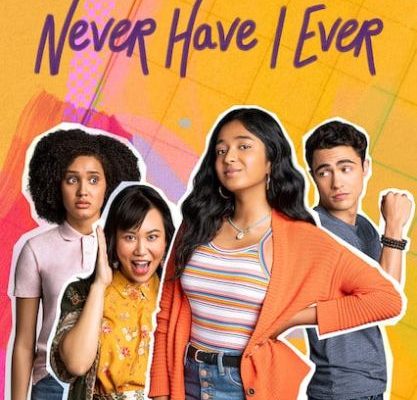
Greetings to all! Today, I will provide a critical analysis of the drama series Never Have I Ever, which marks a significant advancement in the representation of South Asian cultures within Hollywood. This Netflix original not only delivers a remarkably authentic coming-of-age narrative but also portrays teenage experiences that resonate with humor and cultural significance.
Advertisements
Launched on April 27, 2020, Never Have I Ever comprises 40 episodes across four seasons, each lasting approximately 30 minutes, concluding on June 8, 2023. The series follows the journey of Devi Vishwakumar, played by Maitreyi Ramakrishnan, as she transitions from sophomore to senior year, derived loosely from Mindy Kaling’s own experiences as an Indian American navigating high school.
This series transcends the typical teen comedy genre, addressing profound themes such as grief, identity, and societal expectations with notable depth. By challenging stereotypes about South Asian families, Never Have I Ever explores universal themes of love, belonging, and the complexities of growing up. The balance of humor and poignant moments creates an engaging experience for viewers from all backgrounds, making the narrative both entertaining and impactful.
Navigating Adolescence Amidst Loss
In the wake of a traumatic event, an Indian American teen strives to enhance her social standing, while grappling with the challenges posed by her family, friendships, and emotional turmoil. The storyline centers on Devi Vishwakumar as she experiences the tumultuous final years of high school against the backdrop of her father’s unexpected death and her intricate relationship with her mother. This premise is particularly compelling as it intertwines conventional teenage struggles with deeper explorations of grief and family dynamics.
The charm of Never Have I Ever lies in its skillful portrayal of Devi’s culturally specific experiences, rendering them universally relatable. Each episode deftly juxtaposes her aspirations for popularity and romance with her ongoing journey through grief, showcasing how emotional turmoil can persist amidst teenage milestones. The series cleverly elicits laughter from Devi’s missteps while simultaneously inviting audiences to empathize with her underlying emotional struggles.
Devi Vishwakumar: An Authentic and Multifaceted Protagonist
Maitreyi Ramakrishnan shines as Devi Vishwakumar, a character whose imperfections and ambitions render her one of the most genuine young protagonists on television. Devi’s arc evolves from a grief-laden sophomore making impulsive choices to a young adult striving to reconcile her cultural identity with her dreams. Ramakrishnan imbues the character with remarkable energy and vulnerability, ensuring Devi’s journey is both authentic and transformative.
What sets Devi apart is her imperfect representation of South Asian youth. She makes unwise decisions, hurts those close to her, and grapples with her grief and anger in ways that viewers find relatable and realistic. Ramakrishnan’s portrayal captures the spectrum of Devi’s evolution, from romantic trials to her increasing awareness of her family’s sacrifices, crafting a nuanced depiction of adolescent life.
Romantic Dynamics: A Triangle of Growth and Self-Discovery
Devi’s relationships with Paxton Hall-Yoshida and Ben Gross form a captivating love triangle that illustrates varied approaches to teenage romance and personal development. These relationships serve as more than mere plot devices; they symbolize Devi’s journey from seeking approval through popularity to valuing her true self. The palpable chemistry among the three actors invites viewers to invest emotionally in the outcome of these romantic entanglements.
The series adeptly conveys the transient yet formative nature of teenage relationships, with each romance providing Devi with insights about her values and aspirations. The resolution of the love triangle feels natural and earned, emphasizing character growth over simple romantic gratification. These dynamics significantly contribute to her path toward self-acceptance and emotional maturity.
Culmination of Growth: Senior Year Insights
The narrative reaches its poignant peak in the fourth season, where Devi must grapple with college options and relationship decisions while confronting her grief in constructive ways. This climactic season showcases the series’ emotional complexity, as Devi’s growth culminates in thoughtful choices about her future. The conclusion offers satisfying closure while recognizing that personal development is an ongoing journey.
What enhances this climax is its refusal to provide overly simplistic resolutions. Instead, the focus remains on Devi’s emotional maturation and her capacity to make discerning choices regarding her relationships and future paths. The final episodes evoke nostalgia for high school while embracing the uncertainties of what lies ahead, creating a conclusion that respects both character arcs and the audience’s investment in their stories.
Supporting Characters Enriching Cultural Narratives
The series includes noteworthy supporting roles from Poorna Jagannathan as Nalini Vishwakumar, Richa Moorjani as Kamala, along with Ramona Young and Lee Rodriguez portraying Devi’s friends, Eleanor and Fabiola. These characters add depth to the narrative, representing diverse facets of the South Asian American experience and various interpretations of identity and community. Each supporting role enhances the authenticity of the cultural narrative.
The dynamics within the friend group exemplify the series’ strength in illustrating evolving teenage relationships. Eleanor and Fabiola’s individual storylines, which delve into themes of theater and LGBTQ+ identity, contribute to a rich ensemble that extends beyond Devi’s viewpoint. Furthermore, the family interactions deepen the cultural representation, highlighting the navigation of tradition and assimilation in immigrant families.
Cultural Impact: A Phenomenon on Netflix
Never Have I Ever has emerged as a pivotal moment for South Asian representation in Hollywood, garnering critical acclaim for challenging Asian stereotypes. Ending in June 2023 after four successful seasons, Netflix acknowledged its cultural significance and enthusiastic fanbase. Maitreyi Ramakrishnan’s performance received widespread praise, with Variety highlighting it as a “breakout performance” that earned her accolades at various awards, including Independent Spirit and MTV Movie & TV Awards.
The series’ success underscores Netflix’s commitment to diverse storytelling that resonates across global audiences. Never Have I Ever demonstrates that specific cultural narratives can evoke universal responses when conveyed with sincerity and humor, fostering viewing experiences that both entertain and enlighten audiences about South Asian American life.
Why You Should Watch This Series Now
For those who appreciate coming-of-age tales, authentic cultural depictions, and characters who evolve in relatable ways, Never Have I Ever stands out as a must-watch on Netflix. This series not only provides entertainment but also breaks barriers and creates spaces for underrepresented stories, making it essential viewing for grasping contemporary adolescent experiences.
A Landmark Achievement in Youth-Oriented Television
Never Have I Ever excels by treating its young lead with the complexity she deserves while engaging its audience with sincerity. It exemplifies how narratives centered on themes of loss, identity, and cultural belonging can resonate with viewers worldwide, establishing it as a significant accomplishment in both representation and quality storytelling.
Series Overview
Total Episodes: 40 (spread across 4 seasons)
Platform: Netflix
Years Active: 2020-2023
IMDb Score: 7.8
Genre: Coming-of-Age Comedy, Drama
Status: Concluded
Main Cast: Maitreyi Ramakrishnan (Devi Vishwakumar), Poorna Jagannathan (Nalini Vishwakumar), Darren Barnet (Paxton Hall-Yoshida), Jaren Lewison (Ben Gross)
Antagonistic Forces: Grief, cultural expectations, and challenges in teenage identity formation