
Tracking every single bite in an app can turn dinner into a math assignment. If you want to nourish your body without obsessing over numbers, learning how to plan a balanced plate is one of the most freeing habits you can build. With a few simple visual cues, you can create satisfying, energizing meals that fit your lifestyle seamlessly.
Advertisements
The Visual Plate Blueprint: How to Divide Your Plate
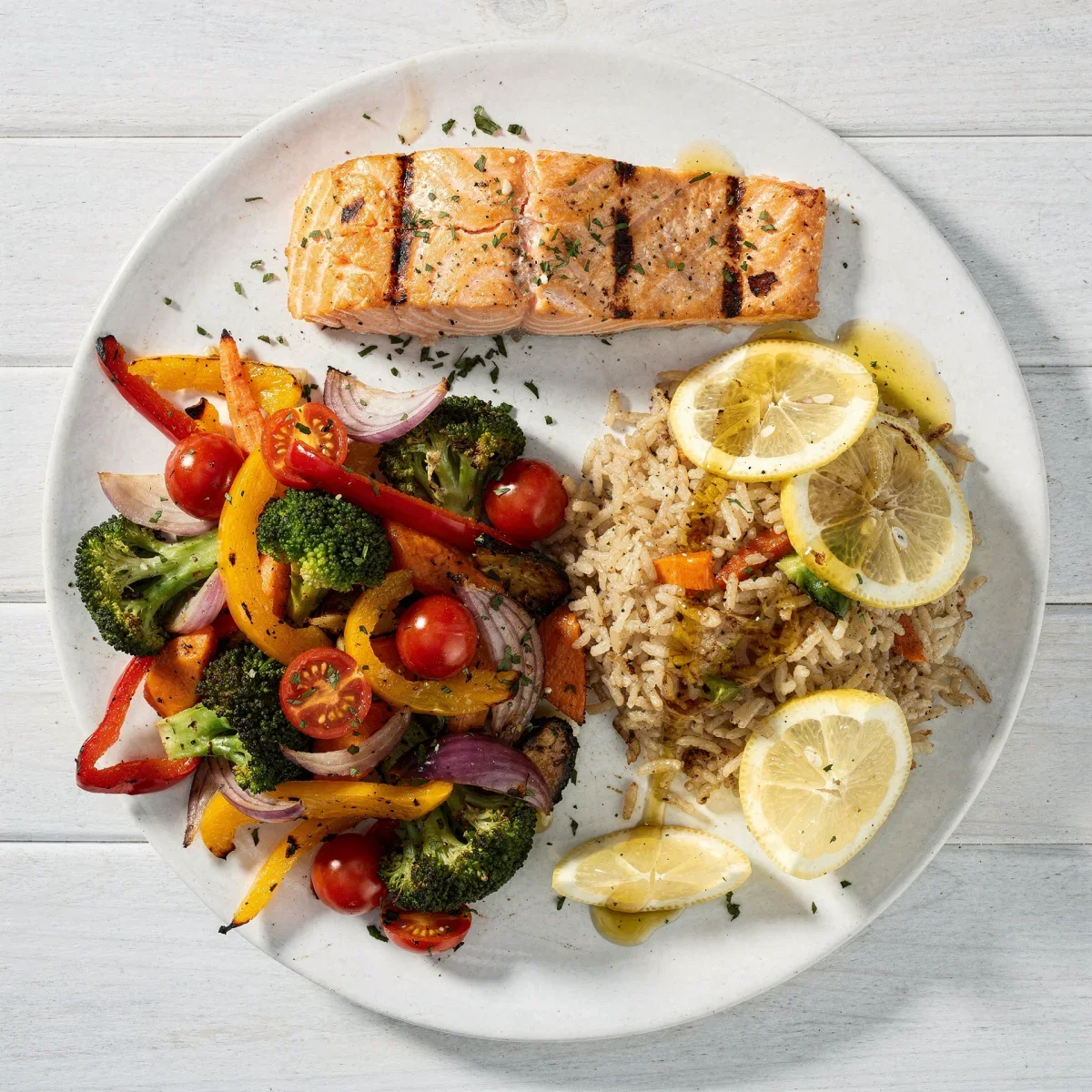
The easiest way to build a healthy meal without a food scale is using the visual plate method, widely recommended by organizations like the USDA and the Harvard T.H. Chan School of Public Health. Imagine your standard 9-inch dinner plate split into three functional sections:
- Half your plate (50%): Non-starchy vegetables and fruits. Fill this section with leafy greens, broccoli, bell peppers, asparagus, or berries. They provide essential fiber, vitamins, and volume to keep you full.
- One quarter of your plate (25%): Quality protein. Add grilled chicken, wild salmon, tofu, eggs, or lean ground turkey. Protein helps stabilize blood sugar and supports muscle repair.
- One quarter of your plate (25%): Complex carbohydrates. Choose nutrient-dense starches like quinoa, brown rice, sweet potatoes, black beans, or whole-wheat pasta.
Use Your Hand as a Built-In Measuring Guide
When you are eating out or assembling a bowl where visual plate lines do not clearly apply, your hand makes an incredible, personalized portion guide. Because your hand size is proportional to your body, it naturally scales to your needs.
| Food Group | Hand Portion Guide | Everyday Examples |
|---|---|---|
| Protein | Palm of your hand (thickness and diameter) | Chicken breast, salmon fillet, tempeh, Greek yogurt |
| Vegetables | Fist size (or two fists) | Spinach, roasted zucchini, green beans, cauliflower |
| Carbohydrates | Cupped hand | Oatmeal, sweet potato, lentils, quinoa |
| Healthy Fats | Entire thumb (tip to base) | Extra virgin olive oil, avocado, mixed nuts, seeds |
Do Not Forget the Flavor: Adding Smart Healthy Fats
Fat is not the enemy; it is what makes your meals taste delicious and keeps you satiated for hours. Healthy unsaturated fats also help your body absorb fat-soluble vitamins (A, D, E, and K).
Drizzle a tablespoon of olive oil over your roasted greens, sprinkle a small handful of pumpkin seeds over your salad, or add a quarter of a sliced avocado to your grain bowl. These additions slow digestion, preventing energy crashes later in the afternoon.
Listen to Your Internal Hunger and Fullness Cues
No formula is rigid. Some days you might need a second serving of carbs after a hard workout, and other days you might want extra greens. Pay attention to how you feel mid-meal.
Eat slowly, put your fork down between bites, and check in with your stomach when you are about halfway finished. Aim to finish your meal feeling content and energized rather than stuffed or sluggish.
Quick Takeaways
- Keep it visual: Aim for half vegetables, one quarter lean protein, and one quarter complex carbs on a standard 9-inch plate.
- Use your hand: Measure portions easily using your palm for protein, fist for veggies, cupped hand for carbs, and thumb for fats.
- Include healthy fats: Always add a touch of olive oil, avocado, or nuts to enhance nutrient absorption and keep cravings at bay.
Frequently Asked Questions
Can I still lose weight without counting calories?
Yes. Filling half your plate with high-fiber vegetables naturally manages portion sizes and total energy intake without requiring restrictive calorie tracking or daily logging apps.
What if I am eating a one-pot meal like soup or stir-fry?
Estimate the ratios before cooking or serving. Aim for roughly half the volume to consist of mixed vegetables, with balanced amounts of protein, whole grains, and healthy cooking oils.
Do I need to measure snacks the same way?
For snacks, pair a protein or healthy fat with a fiber-rich carbohydrate, such as an apple with peanut butter or carrots with hummus, to sustain your energy between meals.
Learning how to plan a balanced plate gives you the tools to eat intuitively while giving your body the fuel it deserves. Try using this visual framework for your next dinner tonight, and subscribe to our newsletter for more simple, wholesome meal ideas.
This article is for informational purposes only and is not a substitute for professional medical advice. Talk to your doctor before making changes to your health routine.