
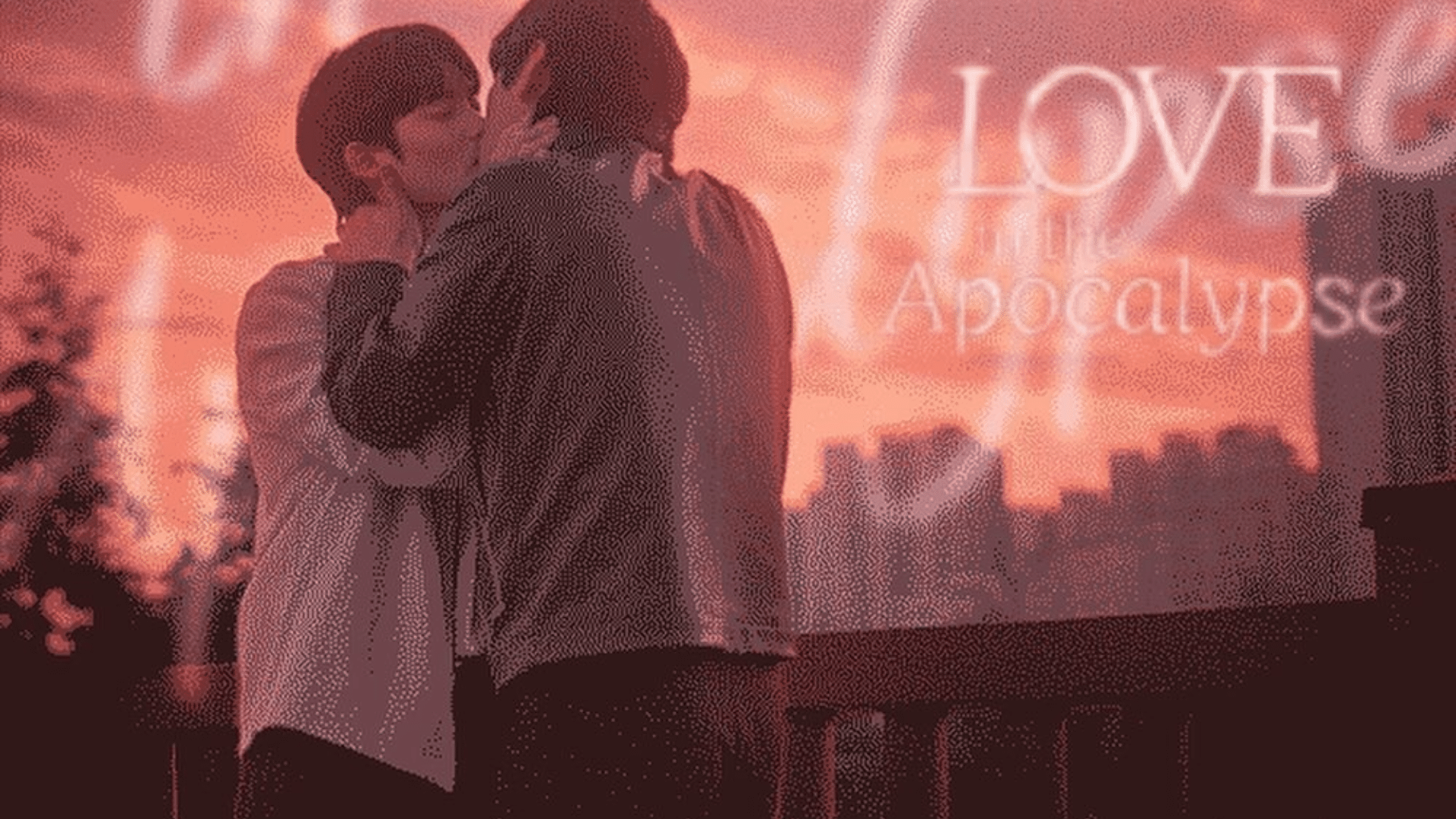
Romance Amidst the Apocalypse: A Unique Take on Love and Connection
“Romance Amidst the Apocalypse” stands out as an audacious entry in the realm of Korean BL dramas, seamlessly blending apocalyptic science fiction elements with queer romance in an emotionally resonant manner. The series delves into a profound existential dilemma: how do we navigate life when the end looms? More importantly, how does love thrive even in the direst situations?
Advertisements
Storyline and Innovative Idea
The narrative unfolds in a scenario where a meteor named “Love” is set to collide with Earth in just one week, possessing a 99.2% chance of annihilating the planet. This apocalyptic backdrop acts as a springboard for a deep investigation into human values, personal truth, and the life-altering strength of genuine love.
The main character, Heesu, finds himself at a pivotal moment: faced with the impending doom, he resolves to embrace honesty about his sexuality with himself and others. This awakening is not merely a side plot but a core facet that shapes his journey towards self-awareness and a meaningful bond with Woojin, his supervisor.
Character Growth and Romantic Interactions
Heesu exemplifies the individual who requires a looming disaster to muster the bravery to live genuinely. His choice to reveal his true self to his parents and act on his feelings for Woojin signifies an emotional emancipation that resonates with many queer viewers as both personal and universal.
Conversely, Woojin offers a captivating contrast as a dedicated workaholic who persists in his duties even as the apocalypse approaches. This initial portrayal may appear exaggerated, yet it showcases how some individuals confront existential turmoil through denial and habitual behavior. His transformation towards learning to truly “live” under Heesu’s influence provides a heartfelt emotional growth trajectory.
The relationship dynamic between these characters probes themes of vulnerability, closeness, and the bravery necessary to form genuine connections when time is of the essence. This urgency enhances the emotional weight of each shared experience, turning seemingly mundane encounters into moments of deep significance.
“Romance Amidst the Apocalypse” utilizes a micro-episode structure, comprising 40 segments of roughly 2 minutes each, culminating in about 75 minutes of total viewing time. This vertical format, tailored for mobile platforms, reflects a contemporary approach to content consumption, albeit with notable constraints for complex storytelling.
The choice for vertical filming sparked debate among audiences, with many viewing the format as less than ideal for traditional viewing experiences. Nevertheless, this decision underscores an awareness of evolving media consumption trends, particularly among younger viewers who prefer mobile-centric content.
The series transcends its brief format by tackling significant themes surrounding mortality, authenticity, and life priorities. The apocalyptic premise serves as a powerful metaphor for personal crises where individuals are compelled to confront their truths, often shied away from. Exploring queer experiences through an apocalyptic lens adds layers of meaning: “coming out” against the backdrop of the world’s end embodies both urgency and liberation from societal norms that typically stifle authentic expression. This narrative approach particularly resonates with LGBTQ+ audiences who recognize the valor needed to live openly.
Strengths and Weaknesses of the Narrative
The primary strength of the series lies in its innovative premise and the palpable chemistry between the leading characters. The intimate moments shared by Heesu and Woojin successfully convey genuine emotions, despite the constraints of time and format.
However, the series grapples with significant hurdles in character development due to its time limitations. Woojin, in particular, at times appears more cartoonish than realistic, with actions that stretch believability even within the apocalyptic scenario. The restricted timeframe hampers the exploration of psychological depth, diminishing the potential emotional resonance of the story.
Critics have pointed out plot twists that seem implausible and interactions that occasionally feel forced. The inclusion of superfluous drama in certain episodes detracts from the stronger central theme of the romantic relationship.
Production Quality and Technical Aspects
As a low-budget Korean BL project, “Romance Amidst the Apocalypse” operates within clear constraints regarding resources and locations. The selection of minimalist settings—primarily the vacant office where Woojin continues to work—serves both budgetary and narrative functions, fostering a sense of isolation that aligns with the apocalyptic theme.
The direction achieves effective visual moments despite limitations, employing intimate compositions and soft lighting to cultivate a romantic atmosphere that contrasts sharply with the grim backdrop of impending doom.
Audience Reception and Cultural Significance
The series garnered mixed reviews, with viewers split between those who appreciated the distinctive premise and others who felt the execution was hindered by format and budget limitations. The 7.3 rating on MyDramaList reflects this divide, indicating content that resonates with a segment of the audience but falls short of universal acclaim.
In the context of Korean BL dramas in 2024, “Romance Amidst the Apocalypse” represents an intriguing experiment with both format and premise, even if not always succeeding in execution. Its contribution to the thematic expansion of the BL genre is noteworthy, venturing beyond conventional school or workplace narratives.
Concluding Thoughts
“Romance Amidst the Apocalypse” is best appreciated as a conceptual exploration rather than a fully developed drama. Its inventive premise and sincere moments of emotional connection hint at untapped potential, but technical and narrative constraints hinder its complete realization.
For enthusiasts of experimental BL content and those interested in examining existential themes through a romantic lens, the series offers a distinctive, albeit flawed, experience. Its brief duration facilitates easy consumption, enabling viewers to assess for themselves whether the innovative concept compensates for the execution shortcomings.
The series marks a noteworthy progression in the evolution of Korean BL content, showcasing a readiness to experiment with unconventional formats and more ambitious themes, even when resources do not permit a fully polished production.