
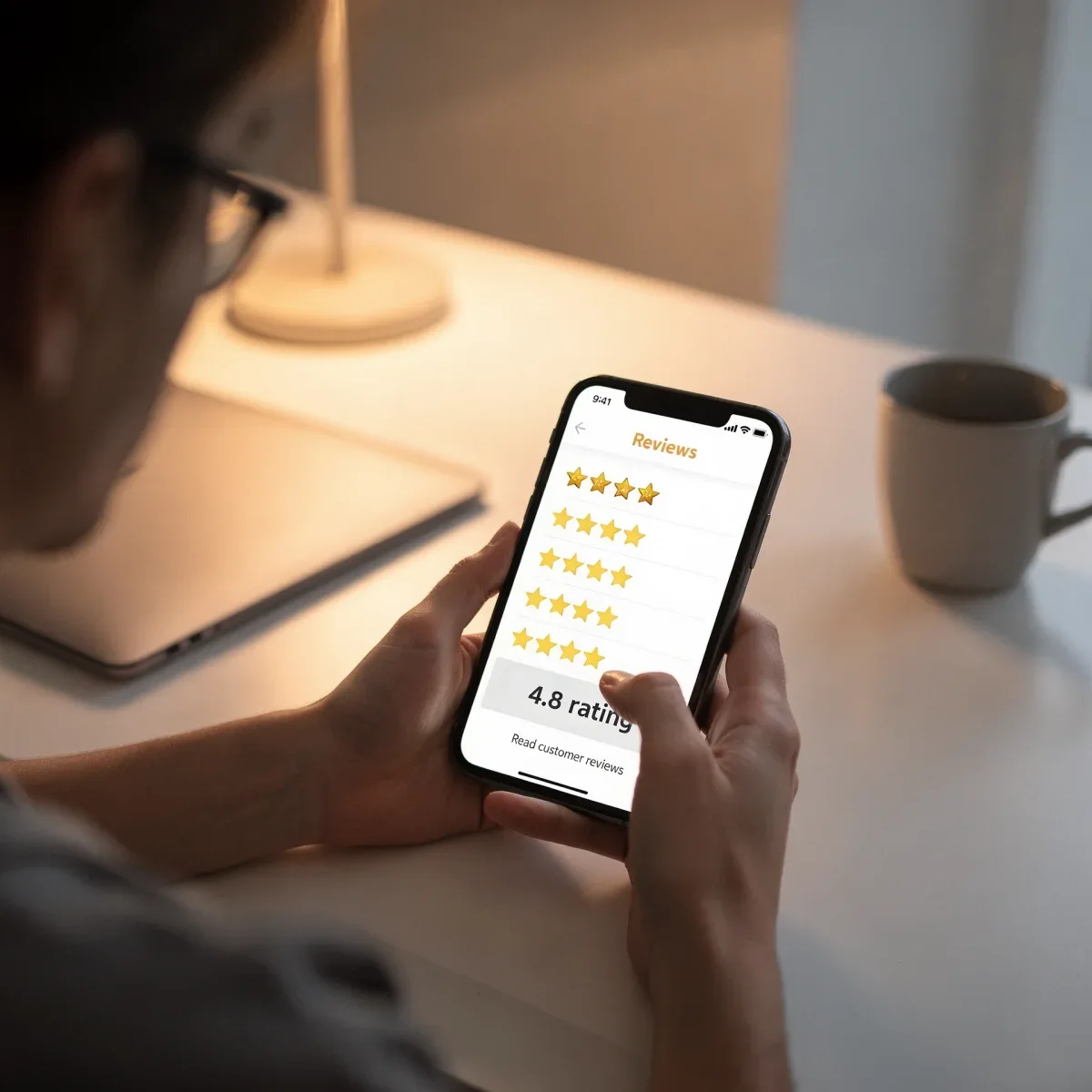
We have all been there: you buy a gadget with thousands of glowing five-star ratings, only for it to break within forty-eight hours. Learning how to spot fake reviews is now essential if you want to avoid cheap knockoffs and wasted money when shopping online. With a few quick inspection tricks, you can cut through the noise and figure out what actual buyers think.
Advertisements
1. Look Closely at the Star Distribution Curve
A trustworthy product usually has a natural rating curve. Most solid items sit around 4.2 to 4.6 stars, with a healthy mix of four-star and five-star feedback alongside a small percentage of critical remarks.
Be suspicious of products with a polarized 'C-shaped' distribution—meaning tons of five-star reviews, almost no two-, three-, or four-star ratings, and a sudden spike of angry one-star reviews. That pattern often signals a seller trying to bury real customer complaints under a wave of purchased five-star ratings.
2. Check for Review Hijacking
Review hijacking happens when an unscrupulous seller takes an old, highly rated listing (like phone cases or USB cables) and changes the title and photos to sell something completely different, like an expensive blender or wireless earbuds.
Always scan the earliest reviews or use search filters to see what item people are actually describing. If you are shopping for a pair of running shoes but reviews from six months ago rave about a garden hose, walk away immediately.
3. Focus on the Three-Star Sweet Spot
Five-star reviews are frequently inflated or incentivized, while one-star reviews often come from people angry about delayed shipping rather than the item itself. Three-star and four-star reviews are where you find the truth.
- Balanced pros and cons: Moderate reviewers usually share specific details about build quality, fit, and daily performance.
- Long-term durability notes: Look for updates written after three or six months of regular use.
- Real photos and videos: Unfiltered images show you actual dimensions, colors, and material quality outside of studio lighting.
4. Watch Out for Copy-Paste and Generic Language
Authentic reviews mention practical use cases, like how a coffee grinder handles dark roasts or whether a winter coat runs narrow in the shoulders. Low-effort fake posts tend to rely on vague praise.
| Authentic Feedback Signals | Suspicious Review Signals |
|---|---|
| Mentions specific features and minor flaws | Repeats full product title multiple times |
| Includes user photos or setup context | Short, generic praise ("Works great! Best product ever!") |
| Spread out naturally over months or years | Hundreds of five-star ratings posted in a 48-hour window |
Quick Takeaways
- Read the middle ratings: Three-star and four-star reviews offer the most balanced look at real-world pros and cons.
- Confirm the product matches: Make sure older reviews describe the exact item listed, not a repurposed listing.
- Rely on photos: Customer photos reveal true sizing, finish, and packaging far better than stock marketing shots.
Frequently Asked Questions
Are 'Verified Purchase' badges always trustworthy?
While helpful, they are not foolproof. Some sketchy sellers use rebate schemes to reimburse buyers for leaving positive feedback after placing real orders.
Do browser extensions for review checking still work?
Yes, tools like Fakespot and ReviewMeta provide helpful baseline grades, but you should still manually verify customer images and recent rating dates.
Why do some bad products have thousands of reviews?
Sellers often merge multiple variations, repurpose expired listings, or run social media giveaways to amass hundreds of ratings before changing product details.
Final Thoughts
Taking thirty seconds to inspect rating distribution, check photo uploads, and scan middle-tier feedback will protect your wallet from counterfeit or shoddy goods. The next time you browse online, take a closer look before hitting checkout to ensure you get what you pay for.