
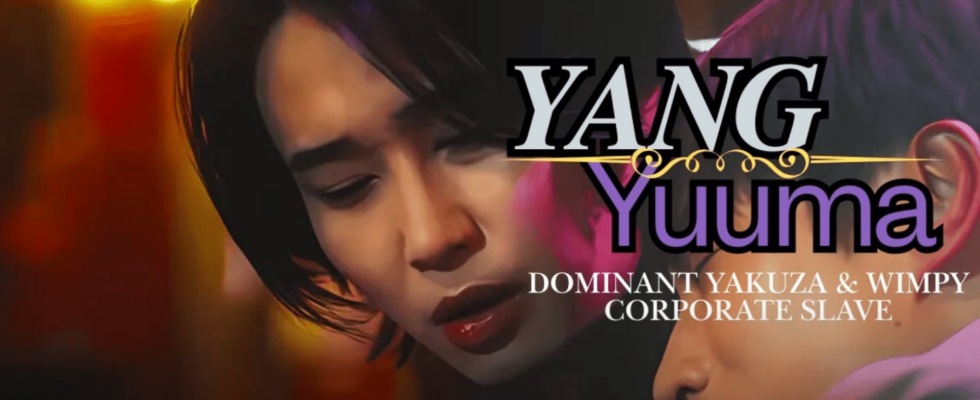
Unexpected Love: A Yakuza and Corporate Clash
Ever thought about how a yakuza boss could fall for a timid office worker? “Unexpected Love: A Yakuza and Corporate Clash” (俺様ヤクザとヘタレ社畜~国を超えた仁義なき溺愛~) dives into this wild romance, setting the stage for an electrifying mix of passion and social commentary in the BL world of 2024! Based on the manga by Arin Himari, this series is not just another love story; it’s a captivating look at two characters representing the extremes of Japanese society.
Advertisements
Plot Overview and Social Dynamics
At the heart of this tale is Yang, a corporate worker from Taiwan, who finds himself in Japan and crosses paths with Asuma, a fierce yakuza leader with his own code of honor. This setup creates an intriguing push-and-pull of power dynamics, vulnerability, and attraction that breaks through cultural and societal norms.
The stark contrast between the rigid corporate world and the dangerous yet code-bound yakuza life sets a rich scene for tackling big themes like conformity, identity, and the bravery it takes to love in a society that expects otherwise. This series doesn’t just glamorize either side; it reveals the messy reality of both worlds.
Character Arcs and Relationship Dynamics
Yang is the quintessential overworked salaryman, juggling a demanding job and the loneliness that comes with being in a foreign land. His shy demeanor doesn’t mean he’s a pushover; his vulnerability speaks volumes to anyone who’s ever felt the weight of corporate expectations.
Asuma, in contrast, flips the script on the usual yakuza character. He’s physically intimidating but shows a softer, protective side toward Yang. Their chemistry ignites during a drunken moment when Yang calls Asuma “handsome,” breaking down their social facades and creating a bond that feels genuine and refreshing.
What’s fascinating is how the series navigates the balance of power. It’s not just about who’s tougher; it’s about emotional trust and the ability to be vulnerable with each other. This depth moves beyond the typical “bad boy meets good boy” storyline, diving into the nuances of their connection.
Cultural Nuances and Language Challenges
Yang’s Taiwanese background adds depth to the narrative, highlighting cultural differences and the struggles of being a foreigner in Japan. His occasional language slip-ups during tense moments not only bring humor but also enhance his character’s authenticity.
The show does a great job portraying the yakuza world without sugarcoating it. It acknowledges their codes of loyalty and honor while avoiding glorification, allowing viewers to understand why Yang is drawn to Asuma without endorsing a life of crime.
Production Values and Execution
With only 10 episodes lasting around 3 minutes each, “Unexpected Love” faces the tough task of building a solid story and rich character relationships in a short timeframe. Surprisingly, it manages to pack quite a punch, making each second count.
Director Takko Yoshida knows how to make it work within such limitations, focusing on impactful moments that showcase the emotional bond between the leads. The actors, Karuma as Asuma and Ah Ben as Yang, deliver powerful performances that convey their feelings beautifully, even if the time is tight.
Timeless Themes and Modern Issues
More than just a love story, this series touches on real-life issues like workplace stress, social isolation, and the quest for meaningful connections in a structured society. It critiques Japan’s often toxic work culture, striking a chord in today’s world where burnout is all too common.
By exploring love that crosses societal lines, it opens up discussions about social rigidity and finding acceptance in unexpected places. This makes the series relatable, even outside its cultural framework.
Shortcomings and Missed Opportunities
One big drawback is the limited runtime, which doesn’t allow for the full fleshing out of supporting characters or the wider social implications of Yang and Asuma’s relationship. Many fans felt the story needed more breathing room to fully explore its compelling ideas.
While the rapid romance is understandable due to time constraints, it sometimes sacrifices the emotional depth that could have made the connection feel more believable. It’s a bummer because you can sense the potential for a deeper exploration of their relationship.
Influence on the BL Scene and Future Directions
“Unexpected Love” stands out in the BL genre by tackling complex power dynamics without relying on clichés. Asuma’s dominant yet respectful persona combined with Yang’s submissiveness while still having agency presents a healthier relationship model in this space.
This series also proves that the micro-episode format can shine in BL storytelling, setting a precedent for future productions with similar constraints to follow suit.
Audience Reaction and Impact
Fans of BL have responded positively to the series, drawn in by its unique concept and the chemistry between the main characters, despite the time limitations. This faithful adaptation of Arin Himari’s manga showcases that unconventional BL narratives can resonate when crafted with thoughtfulness.
Conclusion and Final Thoughts
“Unexpected Love: A Yakuza and Corporate Clash” is a fascinating experiment in short-form BL storytelling, giving glimpses of a potentially rich narrative within a limited timeframe. Although its short length may hinder a full exploration of its themes and characters, it still delivers heartfelt moments of connection and romance that make it worth watching.
For BL fans who are open to some format limitations in exchange for a unique storyline and passionate performances, this series is definitely a treat, even if it leaves you craving more development. Its contribution to diversifying themes in the BL genre makes it a noteworthy addition to the 2024 lineup.
In the end, this series reminds us that love can blossom in unexpected circumstances and that true human connections can break through social, cultural, and language barriers – a message that resonates universally, especially within the frame of Japanese BL romance.